Showing posts with label pendant lights. Show all posts

Wednesday, 6 November 2024

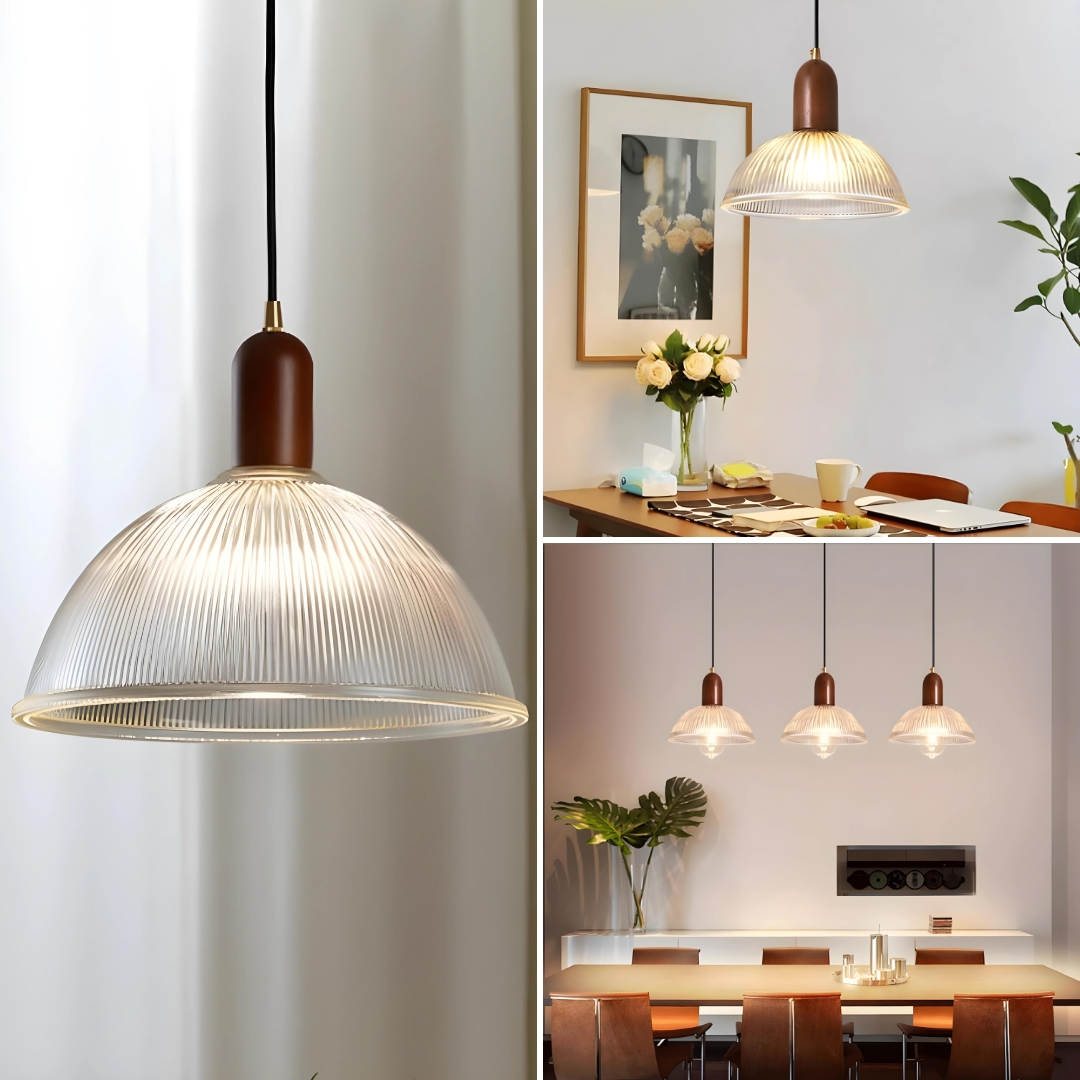
Creative Pendant Light Ideas to Brighten Any Room

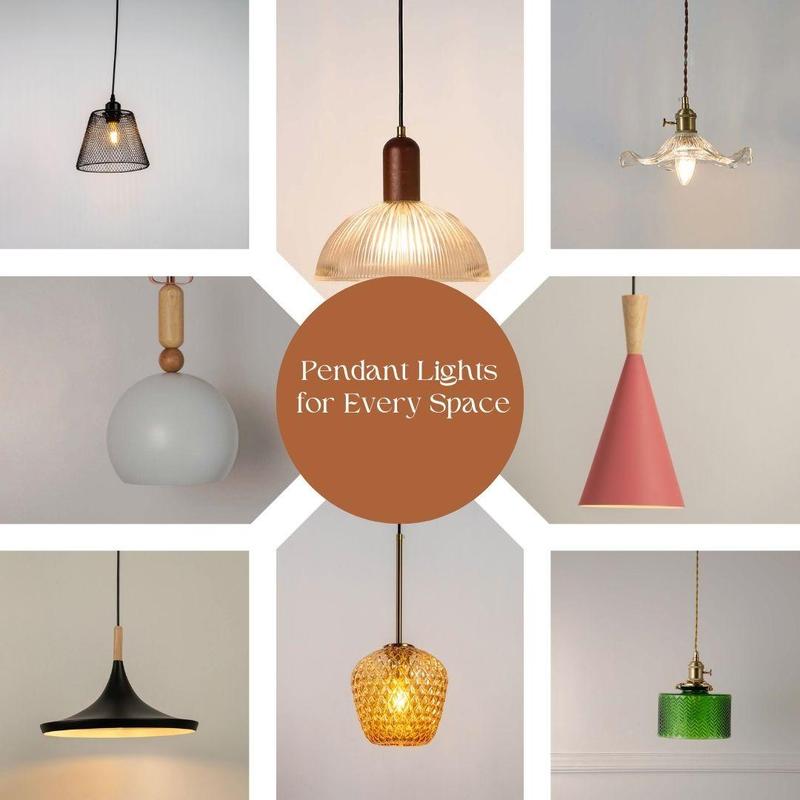
 Pendant lights have become a staple in modern home decor, offering not just functional illumination but also a way to make a stylish statement. Whether you’re looking to add a focal point to your living room, kitchen, bedroom, or dining area, pendant lights can transform any space with their versatile designs and lighting effects. In this blog, we’ll explore some creative pendant light ideas that can brighten up any room in your home, adding warmth, elegance, and personality.


1. Clustered Pendant Lights for a Dramatic Effect

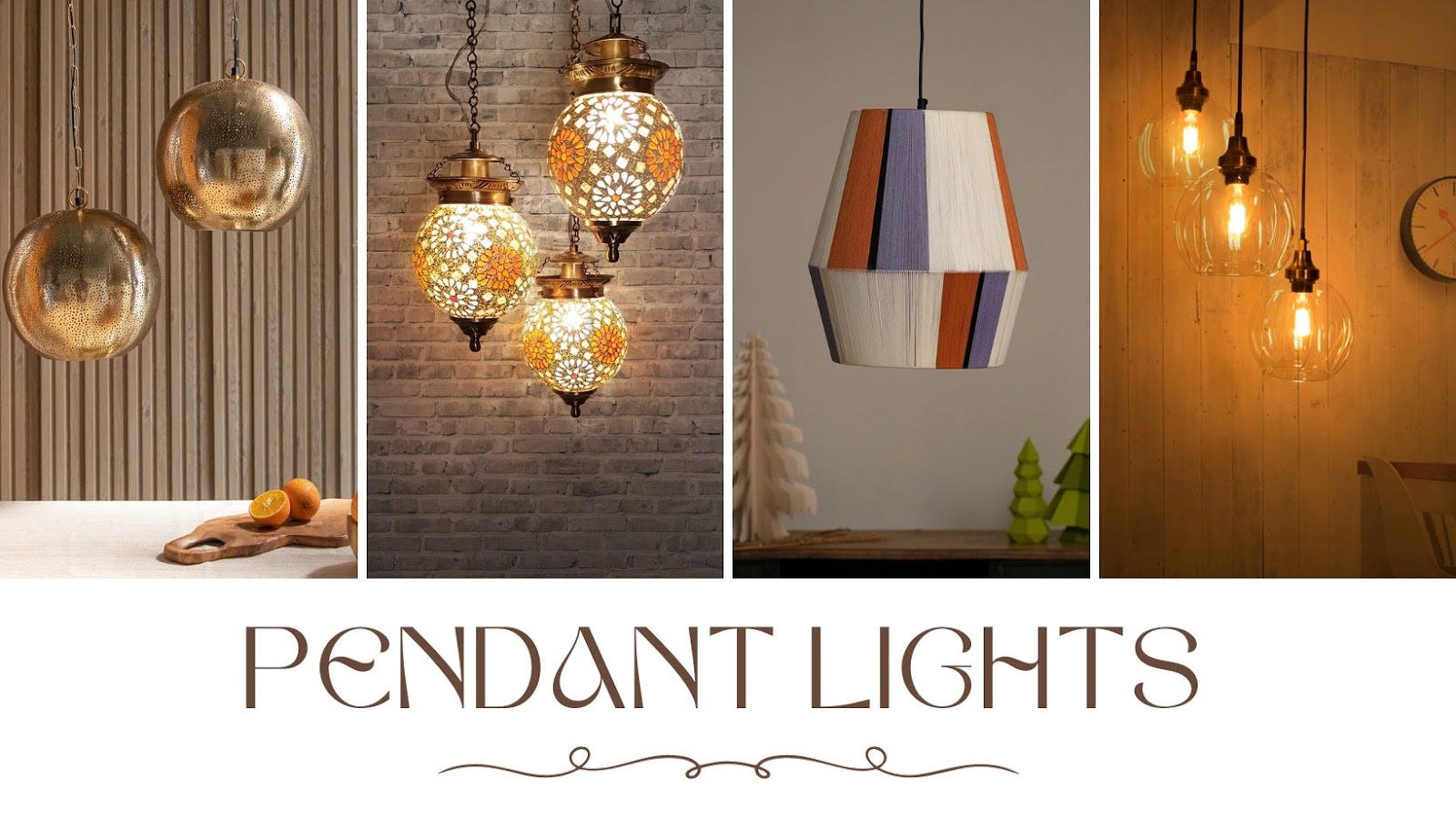
If you’re looking to create a dramatic focal point in a room, clustered pendant lights are an excellent choice. By grouping multiple pendant lights together at varying heights, you can create a visually striking effect that draws attention and adds depth to the space. This arrangement works particularly well over dining tables, kitchen islands, or even in entryways where you want to make a bold first impression. Choose pendants with different shapes, sizes, and finishes to enhance the eclectic feel, or opt for a uniform look with identical lights.

2. Industrial Pendant Lights for a Rustic Touch

Industrial-style pendant lights are perfect for adding a touch of rustic charm to your space. With their exposed bulbs, metal finishes, and rugged designs, they evoke a sense of nostalgia while complementing both modern and traditional interiors. These lights work well in kitchens, dining areas, and loft-style living rooms where you want to blend vintage aesthetics with contemporary elements. Consider pairing industrial pendants with wooden or brick accents to create a cohesive look.
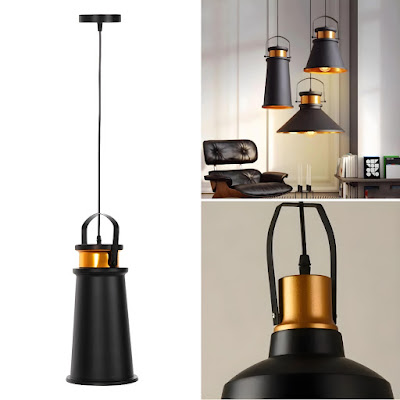
3. Geometric Pendant Lights for a Modern Twist

Geometric pendant lights are a popular choice for contemporary homes, offering a sleek and modern twist to traditional lighting. These lights come in various shapes, including cubes, hexagons, and spheres, allowing you to play with lines and angles in your decor. Geometric pendants are versatile and can be used in almost any room, from the bedroom to the kitchen, adding a unique visual element that enhances the overall design. For a more cohesive look, match the pendant light’s geometric shape with other decor elements in the room.
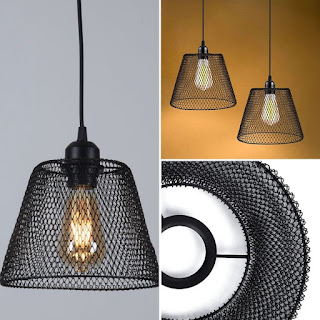
4. Glass Pendant Lights for a Light and Airy Feel

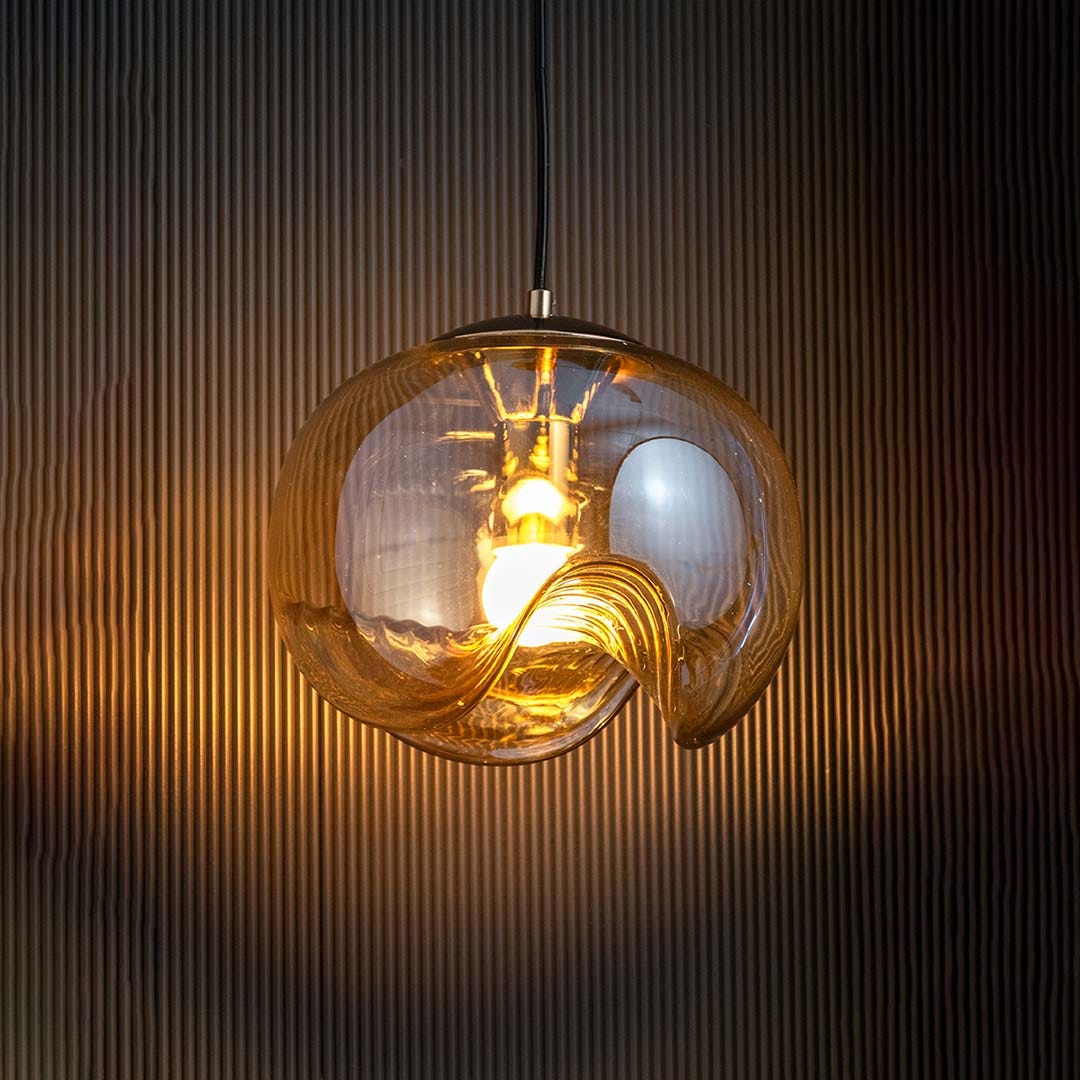
Glass pendant lights are an excellent choice for those who want to keep their space light and airy. The transparency of glass allows for maximum light diffusion, making the room feel more spacious and inviting. These lights work well in smaller rooms where you want to avoid overwhelming the space with heavy fixtures. Clear glass pendants are ideal for kitchens and bathrooms, while colored or frosted glass can add a touch of elegance to living rooms and bedrooms.
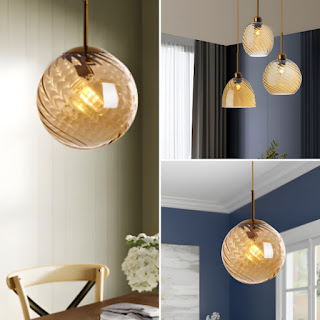
5. Art Deco Pendant Lights for Timeless Elegance

For those who appreciate timeless elegance, Art Deco pendant lights are a wonderful option. Characterized by geometric shapes, luxurious materials, and intricate details, Art Deco lighting can add a touch of glamour to any room. These lights are particularly suited for living rooms and dining areas where you want to create a sophisticated ambiance. Choose pendant lights with brass, gold, or chrome finishes to capture the essence of this iconic style.

5. Minimalist Pendant Lights for a Clean Aesthetic

For those who prefer a clean and uncluttered look, minimalist pendant lights are an excellent choice. These lights feature simple, understated designs that blend seamlessly with modern interiors. Minimalist pendants often have sleek lines, neutral colors, and unobtrusive shapes, making them ideal for spaces where you want the lighting to complement, rather than overpower, the decor. Use minimalist pendant lights in kitchens, bathrooms, or home offices for a subtle yet stylish effect.
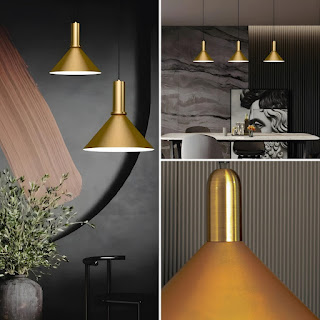
6. Vintage Pendant Lights for Nostalgic Charm

Vintage pendant lights are perfect for those who love a touch of nostalgia in their decor. With designs inspired by past eras, these lights bring a sense of history and charm to any room. Whether you opt for mid-century modern, Victorian, or retro-style pendants, these lights can add character and warmth to your space. Vintage pendants work well in living rooms, dining areas, or bedrooms where you want to create a cozy and inviting atmosphere.

Conclusion

Pendant lights are incredibly versatile and can be used to enhance the design of any room in your home. Whether you prefer the rustic charm of industrial pendants, the sleek lines of geometric designs, or the bold statement of oversized fixtures, there’s a pendant light to suit every taste and style. By carefully selecting the right pendant lights for each room, you can create a warm, inviting atmosphere that reflects your personal style while providing functional illumination. Explore the wide range of pendant lights available at Whispering Homes to find the perfect fit for your home.

Friday, 2 August 2024

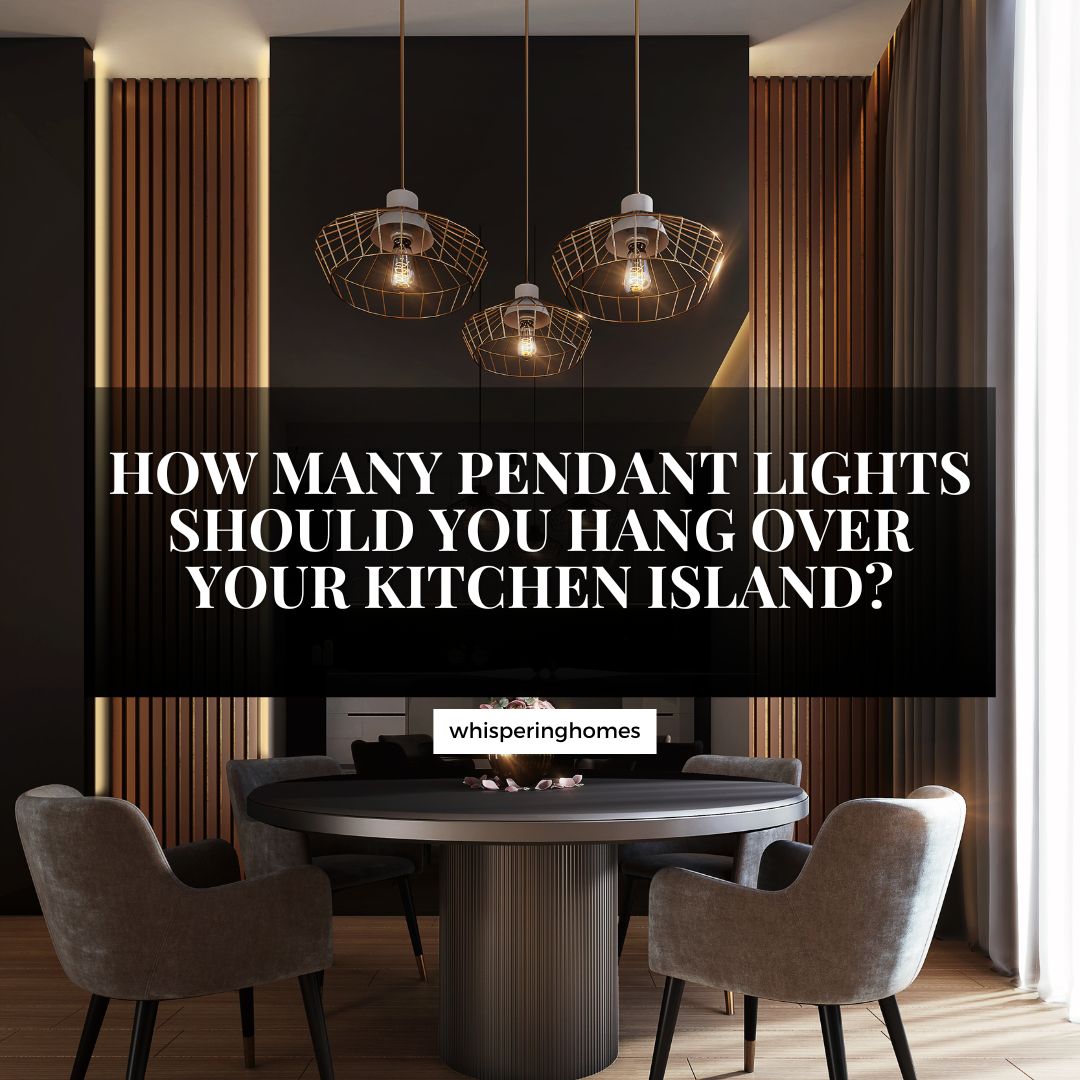
How Many Pendant Lights Should You Hang Over Your Kitchen Island?

The kitchen island is often the heart of the home, serving as a hub for cooking, dining, and socializing. The right pendant lighting can transform this central space, adding both functionality and style. One of the most common questions we encounter is: how many pendant lights should you hang over your kitchen island? In this comprehensive guide, we will explore the factors that influence this decision, ensuring that your kitchen island is both well-lit and aesthetically pleasing.

Pendant Lights

Understanding the Importance of Pendant Lighting

Pendant lights are not just functional fixtures; they are also design elements that can significantly impact the ambiance of a room. When chosen and positioned correctly, pendant lights can provide focused task lighting, enhance the overall illumination, and add a decorative touch to your kitchen island.

Factors to Consider When Choosing Pendant Lights

1. Size of the Kitchen Island

The size of your kitchen island is a primary factor in determining the number of pendant lights you need. For a smaller island (around 4 to 5 feet long), two pendant lights may suffice. For larger islands (6 feet or longer), three or more pendant lights are often necessary to ensure even lighting across the surface.

2. Size and Style of Pendant Lights

The size and style of the pendant lights also play a crucial role. Large, statement pendant lights can create a bold focal point and may require fewer fixtures. On the other hand, smaller, more delicate pendant lights might need to be used in greater numbers to achieve the desired effect. Whether you choose bedroom pendant lights, dining pendant lights, or living room pendant lights, ensure they are proportional to the size of your kitchen island.

3. Height of the Ceiling

Ceiling height is another important consideration. Higher ceilings can accommodate larger pendant lights or multiple fixtures without making the space feel cluttered. For standard 8-foot ceilings, hanging pendant lights 30 to 36 inches above the island is typically ideal.

4. Light Output and Distribution

Consider the light output of your chosen pendant lights. Fixtures with higher lumens will provide more light, which may reduce the number of pendant lights needed. Additionally, the type of bulb and shade can affect the distribution of light. Crystal pendant lights and glass pendant lights can create beautiful light patterns, adding an extra layer of elegance to your kitchen.

Calculating the Number of Pendant Lights

Step-by-Step Guide
  1. Measure Your Island Length: Start by measuring the length of your kitchen island in feet.

  2. Determine Pendant Light Size: Choose the size of your pendant lights. A general rule of thumb is to leave about 24 to 30 inches between the centers of each light fixture.

  3. Calculate the Number of Lights: Divide the length of your island by the space you want to leave between the lights (including the width of the lights). For example, if your island is 8 feet long and you want to space your 12-inch wide pendants 30 inches apart, you would need approximately three pendant lights.

Example Calculation

For an 8-foot island with 12-inch wide pendant lights spaced 30 inches apart:

  • Island Length: 96 inches

  • Spacing Between Lights: 30 inches

  • Width of Each Light: 12 inches

Calculation: 96 / (30 + 12) ≈ 2.4 (round up to 3 pendant lights)

Choosing the Right Style of Pendant Lights

1. Crystal Pendant Lights

Crystal pendant lights add a touch of luxury and sophistication to any kitchen. Their sparkling design can reflect light beautifully, creating an elegant atmosphere. These are perfect for adding a glamorous accent to your kitchen island.

2. Glass Pendant Lights

Glass pendant lights offer versatility and timeless appeal. They come in various shapes and finishes, allowing you to match them with any kitchen decor. Clear glass shades provide unobstructed light, while frosted or colored glass can add a subtle hint of color and diffuse the light for a softer effect.

Glass Pendant lights

3. Modern and Minimalist Designs

For a sleek and contemporary look, consider modern pendant lighting designs. Clean lines, simple shapes, and neutral colors can create a chic and uncluttered appearance. Pendant ceiling lights with metallic finishes like brushed nickel or matte black are particularly popular in modern kitchens.

Installation Tips for Pendant Lights

1. Correct Height

Hanging your pendant lights at the correct height is crucial for both functionality and aesthetics. The bottom of the pendant lights should typically be 30 to 36 inches above the kitchen island surface. This height ensures that the lights provide adequate illumination without obstructing sightlines.

2. Proper Spacing

Ensure even spacing between each pendant light to achieve a balanced look. As a guideline, leave about 24 to 30 inches between the centers of each pendant. For larger islands, consider clustering smaller pendants or opting for linear pendant lighting to maintain even coverage.

3. Dimmers and Adjustable Fixtures

Incorporate dimmers into your lighting plan to allow for adjustable brightness levels. This flexibility can help create different moods and adapt the lighting to various activities, from cooking to entertaining. Adjustable fixtures also offer the advantage of customizing the direction and intensity of the light.

Combining Pendant Lights with Other Lighting

While pendant lights are a focal point, combining them with other lighting sources can enhance the overall functionality and ambiance of your kitchen. Consider integrating recessed lighting, under-cabinet lights, or a statement chandelier to complement your pendant lights and create a well-lit, inviting space.

Conclusion

Selecting the right number of pendant lights for your kitchen island involves careful consideration of various factors, including the size of your island, the style and size of the pendants, ceiling height, and light output. By following these guidelines, you can achieve a beautifully lit kitchen island that enhances both functionality and style.

For more information on bedroom pendant lights, hanging pendant lights, dining pendant lights, living room pendant light, crystal pendant light, glass pendant lights, and pendant ceiling lights, visit Whispering Homes and explore our extensive collection.


Saturday, 20 July 2024

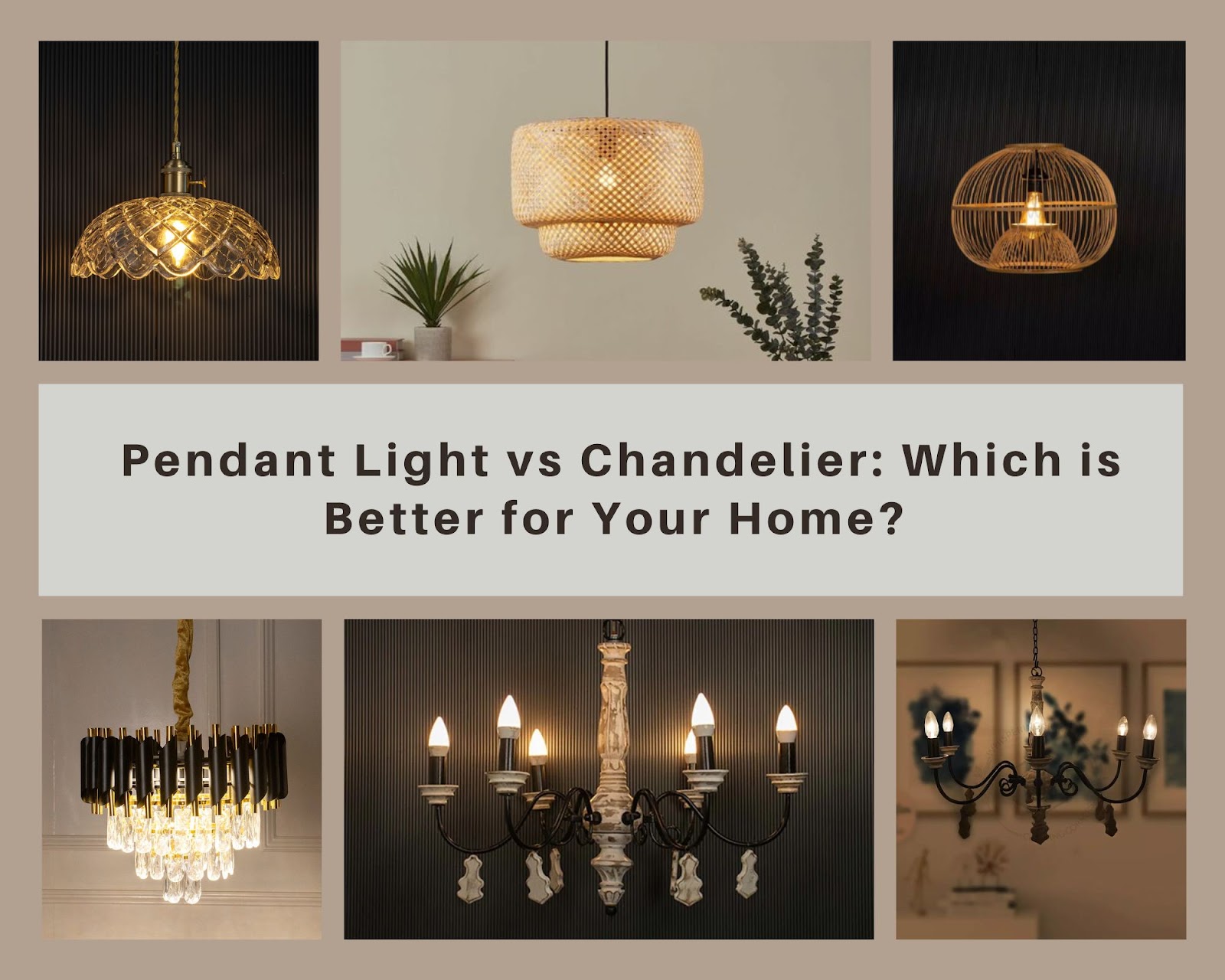
Pendant Light vs Chandelier: Which is Better for Your Home?


Pendant Light vs Chandelier: Which is Better for Your Home? 

When it comes to elevating the aesthetic appeal of your home, lighting plays a crucial role. Among the myriad options available, pendant lights and chandeliers are popular choices. Both have their unique advantages and design potentials and deciding between the two is quite challenging. This comprehensive guide will delve into the distinct features, benefits, and ideal uses of pendant lights and chandeliers to help you make an informed choice for your home.

Understanding Pendant Lights

Pendant lights are a versatile lighting option, often characterized by their sleek and modern designs. They hang from the ceiling by a rod, chain, or cord, making them an excellent choice for focused lighting.

Advantages of Pendant Lights

  1. Versatility in Design: Pendant lights come in various shapes, sizes, and styles, from minimalist to intricate designs. This versatility allows them to fit seamlessly into any room, whether it's a kitchen, living room, or bedroom.

  2. Focused Lighting: Ideal for task lighting, pendant lights provide focused illumination, making them perfect for kitchen islands, dining tables, and workspaces.

  3. Space-Saving: Due to their compact design, pendant lights are excellent for smaller spaces. They provide ample lighting without overwhelming the room.

  4. Customization: Pendant lights are often adjustable in height, allowing you to customize the lighting to suit your needs and preferences.

Best Places to Use Pendant Lights

  • Pendant Light For Kitchen: Over kitchen islands or countertops to provide task lighting.

  • Pendant Light For Dining Room: Above dining tables to create a cozy and intimate ambiance.

  • Pendant Light For Bedrooms: As bedside lights for a modern and chic look.

  • Pendant Light For Hallways and Entryways: To add a touch of elegance and functionality.

Understanding Chandeliers

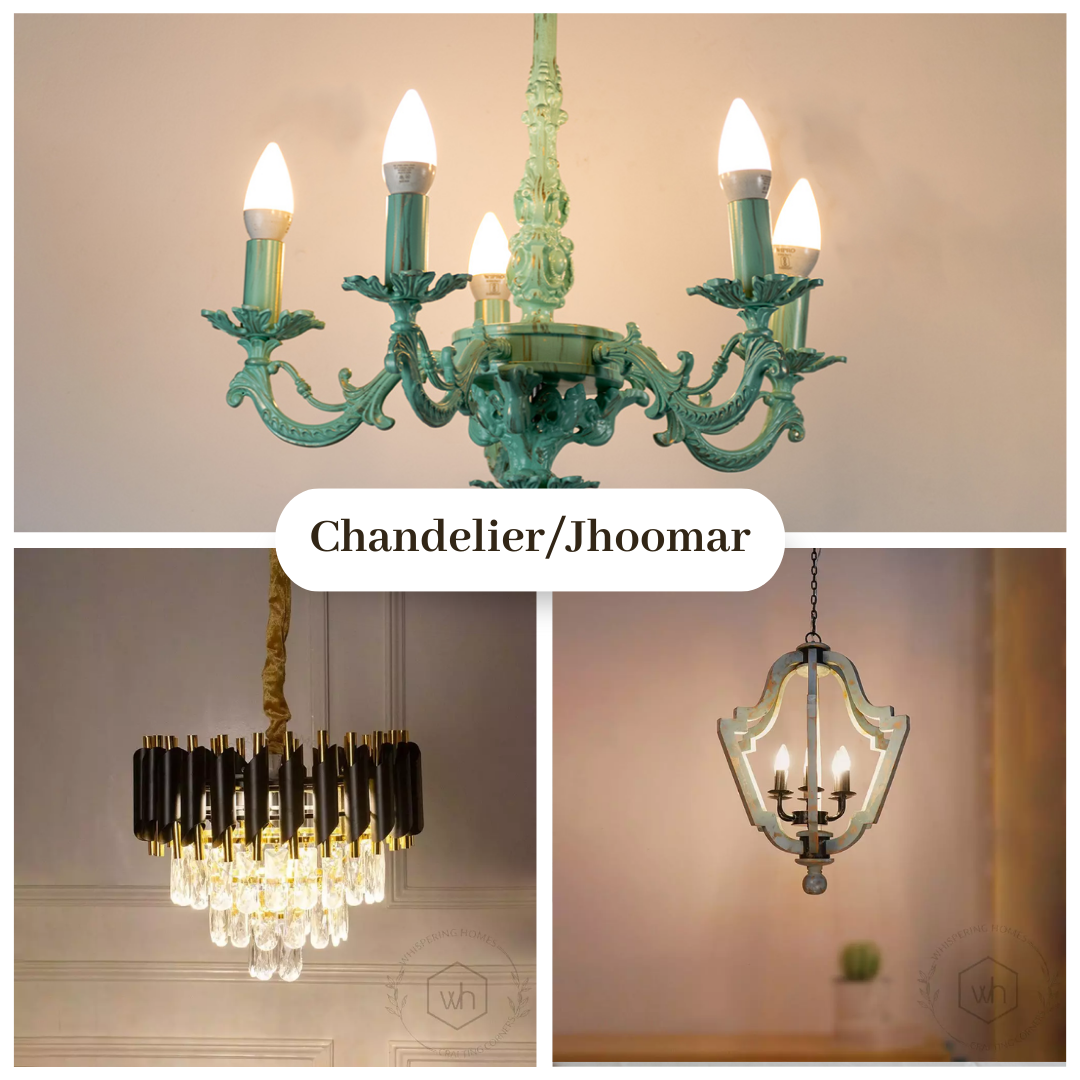
Chandeliers are synonymous with elegance and grandeur. Traditionally, they are elaborate fixtures that provide ambient lighting and serve as a statement piece in any room.

Advantages of Chandeliers

  1. Aesthetic Appeal: Chandeliers are often associated with luxury and sophistication. They can transform a simple room into a lavish space with their intricate designs and shimmering lights.

  2. Ambient Lighting: Unlike pendant lights, chandeliers provide a broader illumination, making them perfect for creating a warm and inviting atmosphere.

  3. Statement Piece: Chandeliers are not just lighting fixtures but also a focal point in any room. They can enhance the overall decor and add a touch of glamour.

  4. Variety of Styles: From traditional crystal chandeliers to modern and contemporary designs, there is a chandelier to suit every taste and decor style.

Best Places to Use Chandeliers

  • Chandeliers For Living Room: To create a grand and welcoming ambiance.

  • Chandeliers For Dining Room: As a centerpiece above the dining table to elevate the dining experience.

  • Chandeliers For Entryway: To make a bold statement as soon as one enters your home.

  • Chandeliers For Bedrooms: To add a touch of luxury and romance.

Pendant Light vs Chandelier: Making the Choice

When deciding between pendant lights and chandeliers, consider the following factors to determine which is better for your home:

1. Room Size and Ceiling Height

  • Pendant Lights: Ideal for smaller rooms or areas with lower ceilings. They can be clustered together for a dramatic effect in larger spaces.

  • Chandeliers: Best suited for larger rooms with high ceilings. A chandelier requires sufficient space to hang freely and not overwhelm the room.

2. Lighting Needs

  • Pendant Lights: Provide focused, task-oriented lighting, making them perfect for areas where specific tasks are performed, such as kitchens and workspaces.

  • Chandeliers: Offer ambient lighting that illuminates the entire room, creating a warm and inviting atmosphere. They are ideal for living rooms, dining rooms, and entryways.

3. Design and Style

  • Pendant Lights: With a wide range of designs available, pendant lights can complement any decor style, from modern to rustic.

  • Chandeliers: Typically associated with traditional and luxurious decor, chandeliers can also be found in contemporary designs to suit modern interiors.

4. Budget

  • Pendant Lights: Generally more affordable than chandeliers, making them a budget-friendly option for homeowners looking to enhance their lighting without a significant investment.

  • Chandeliers: While they can be a more costly investment, chandeliers add significant value and elegance to your home, justifying the higher price tag.

Eco-Friendliness and Energy Efficiency

Both pendant lights and chandeliers can be energy-efficient if fitted with LED bulbs. LEDs consume less power and have a longer lifespan than traditional incandescent bulbs. Additionally, LED bulbs are available in various color temperatures, allowing you to customize the ambiance of your space.

Conclusion

In conclusion, the choice between pendant lights and chandeliers largely depends on your personal preferences, room size, and lighting needs. Pendant lights offer versatility and focused lighting, making them suitable for modern and functional spaces. On the other hand, chandeliers bring a touch of elegance and provide ambient lighting, perfect for creating a luxurious and inviting atmosphere. 

When selecting the ideal lighting for your home, consider the design, functionality, and overall aesthetic you wish to achieve. Both pendant lights and chandeliers have their unique charm and can significantly enhance the beauty and functionality of your living spaces. Whispering Homes offers a wide range of pendant lights and chandeliers to help you create the perfect ambiance in your home.


Monday, 11 March 2024

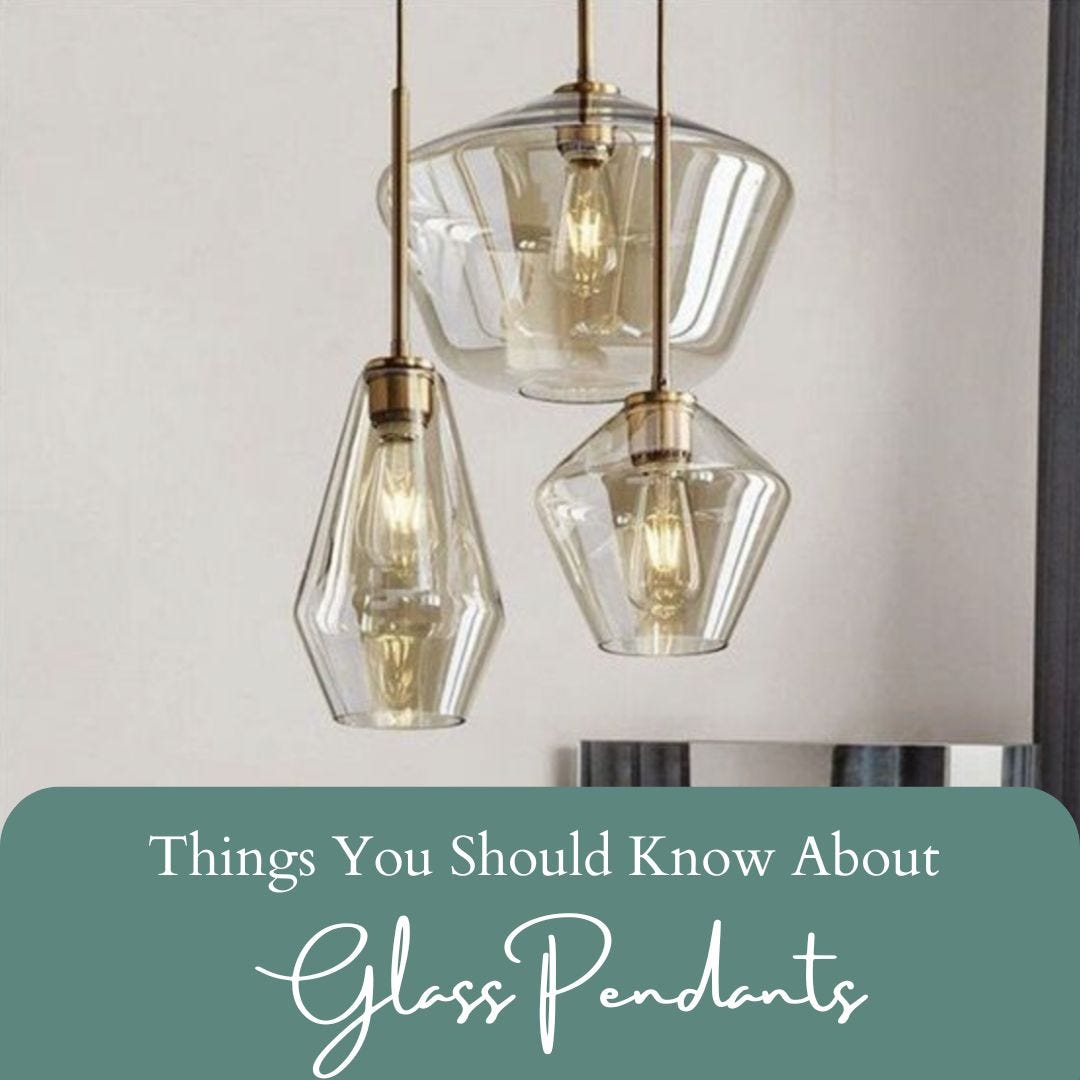
Things You Should Know About Glass Pendants Lights

 Glass Pendants, cherished for their captivating beauty and versatility, hold widespread appeal. Explore five key aspects shedding light on the delightful versatility of these suspension lights.

Suspended Lights For Office

The Imperishable Popularity of Glass

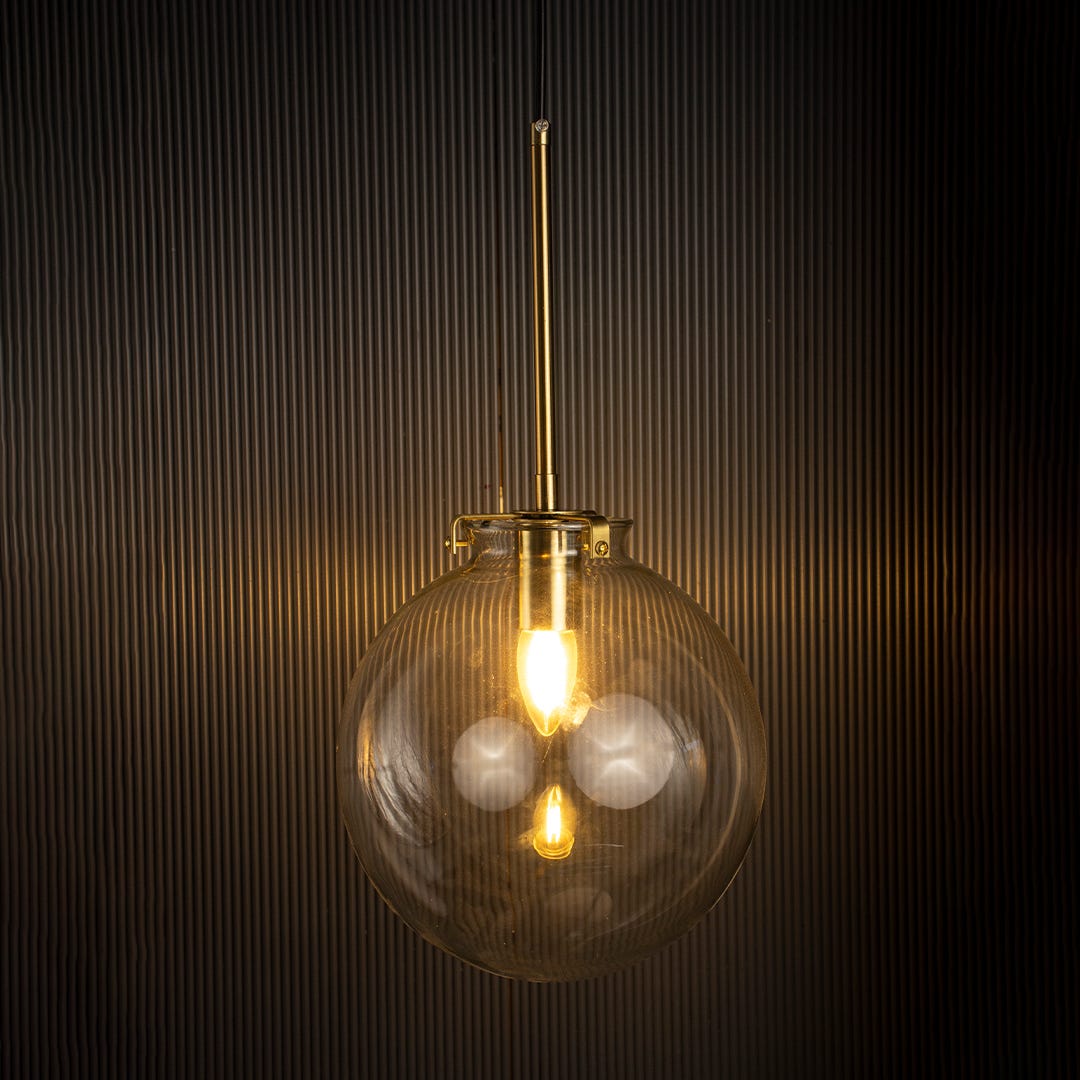
When contemplating pendant lights, the mind often gravitates towards the alluring charm of glass, ranging from individually crafted mouth-blown pieces to the ever-popular and on-trend spherical designs. The exceptional versatility of glass pendants makes them our best-selling suspension lights.


Diffuse Light For Hall Room


Beyond practicality, glass serves as an ideal material for lighting due to its innate ability to diffuse light uniformly in all directions. This characteristic makes glass pendant lights particularly suitable for well-lit areas such as kitchens and bathrooms.

However, the utilization of glass pendant lights extends beyond mere practical considerations. Glass, as a material, possesses the transformative power to turn a space into something truly spectacular. Imagine a cluster of meticulously handmade glass pendants adorning a void area — the visual impact is breathtaking.

The variety of styles and types available in glass pendant lights is abundant, catering to every aesthetic preference. Whether opting for a clear or frosted finish, experimenting with texture or color, or choosing between a single pendant or a clustered arrangement, the selection of a high-quality material is crucial. This ensures that the pendant light not only fulfills its illuminating and ambiance-creating role but is also exquisitely crafted and durable for lasting appeal.

For those seeking an impressive cluster of pendant lights, the Trefle Modern Drum Shape Glass Hanging Light stands out with its expert craftsmanship, adding a touch of sophistication to any space. Illuminate your surroundings with a perfect blend of style and durability embodied in this exquisite glass pendant light.

Quality of Light — Clear vs Opal Glass

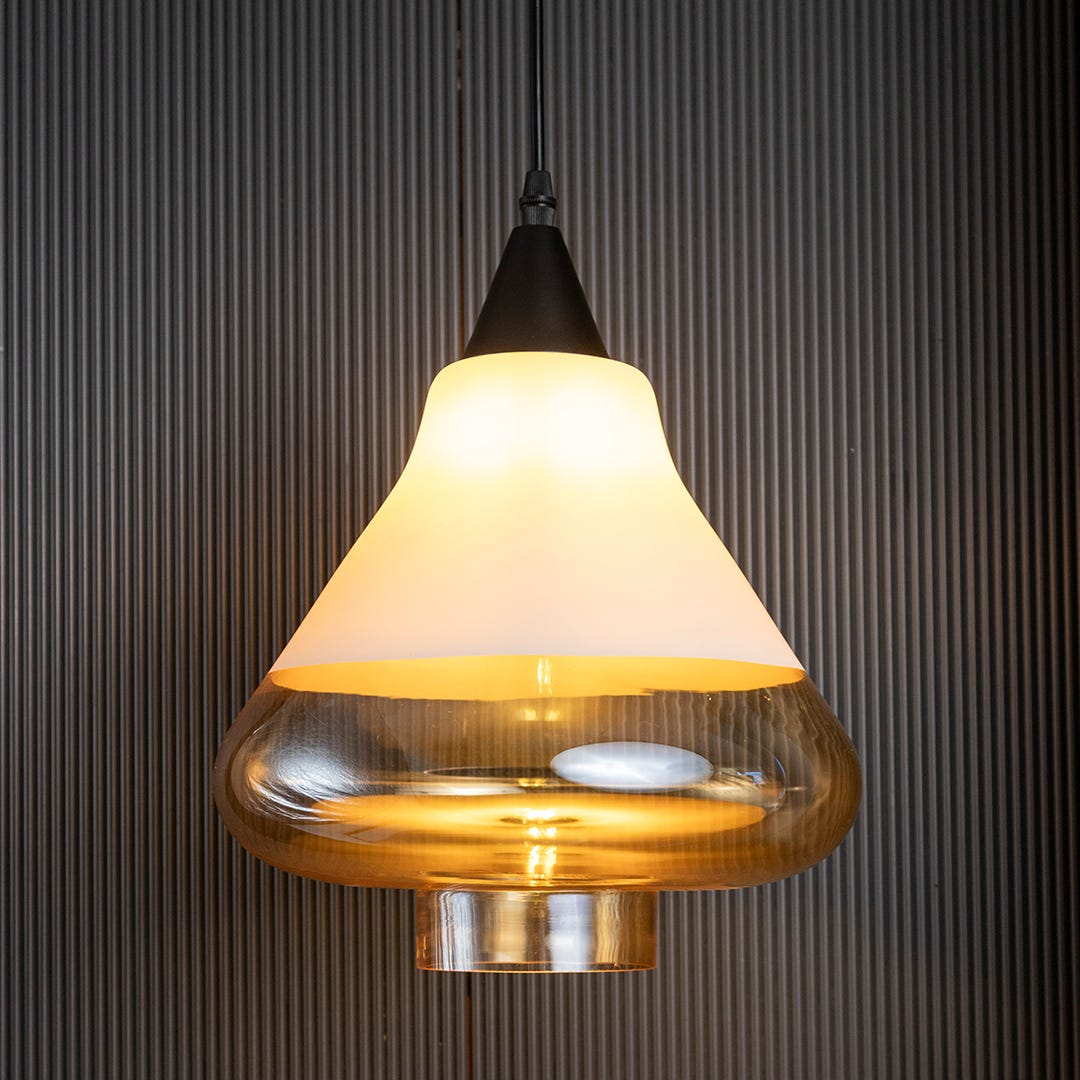
The distinction in the quality of light emitted by clear and opal glass stems from their unique light diffusion properties. Clear glass permits light to pass through minimally diffused, resulting in a brighter and more direct illumination. This quality makes clear glass an ideal choice for pendant lights in task-oriented settings like above kitchen islands or desks. It also serves well in spaces where showcasing the bulb or filament design is desired, as the clear glass allows for visibility.


Hanging Light For Bedrooms


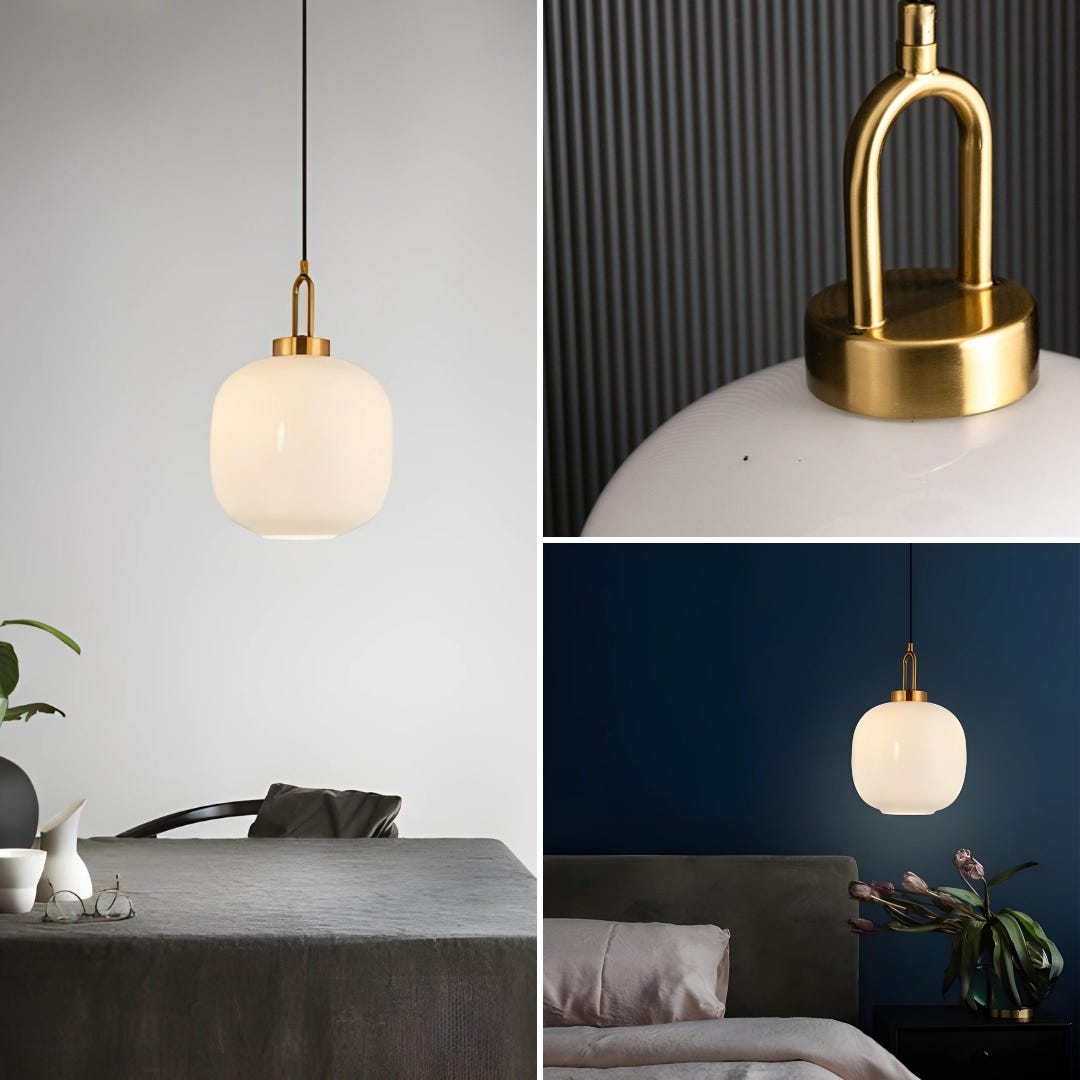
Conversely, opal glass offers a more diffused and softer quality of light, scattering and diffusing the light for a gentle illumination. This makes opal glass a superb option for pendant lights in areas where a subtle and ambient light is preferred, such as living rooms or bedrooms. Additionally, opal glass is a suitable choice in spaces where the light source should be visible, but the aim is to reduce harshness and foster a more relaxed atmosphere.

The Blown Glass Difference

Mouth-blown glass, a venerable technique in glassblowing, entails heating molten glass and shaping it either in a mould or by hand with specialized tools. This artisanal process yields distinctive glassware, each piece boasting unique variations in shape and size, rendering it a one-of-a-kind creation.


Blown Glass Light

In contrast, other glass production methods, like machine-made or pressed glass, rely on molds or machinery to produce uniform pieces. While these methods offer efficiency and cost-effectiveness, they lack the creativity and customization inherent in mouth-blown glass.

Artists and designers often gravitate towards mouth-blown glass for its unparalleled beauty and character. The manual crafting of each piece ensures a distinct personality and individuality, with subtle differences in shape, size, and color, making each creation a work of art.

Playful Shadows

Glass pendant lights possess the ability to craft a mesmerizing shadow play contingent on their design and placement. This artful interplay of light and shadow adds an extra layer of visual allure, elevating the ambiance of a room.


Glass Pendant Light For Decor


When activated, a glass pendant light emits a focused beam, casting intricate shadows on surrounding surfaces like walls or ceilings. This effect is most impactful with unique or delicate designs, enhancing the shadows with intriguing details.

To amplify the shadow play, strategically position the glass pendant light to cast shadows on a blank wall or ceiling. This placement ensures that the shadow patterns are more visible, creating a dramatic and captivating effect. Alternatively, employing multiple glass pendant lights in a cluster can yield a complex and dynamic shadow pattern, further enhancing the visual spectacle.

In conclusion,

To sum up, glass pendant lights stand out as a highly sought-after category in pendant lighting, offering a diverse array of design options. With various styles, shapes, and sizes, they cater to every aesthetic preference. The choice between clear or opal glass impacts light diffusion, while opting for mouth-blown glass adds a unique, handcrafted touch to your decor. Leverage glass’s qualities to play with light and shadow, adding an extra layer of visual interest, or use its reflective nature to create the illusion of a more expansive space.

For your ideal glass pendant light, turn to the Lighterior team. Contact us today for personalized assistance!


Monday, 23 October 2023

Lighting up Your Style: How to Use Lamps and Lights as Decorative Elements

 Lighting is a crucial aspect of interior design that often gets overlooked. It has the power to transform the mood, ambiance, and aesthetics of a space. 


Whether you’re redecorating a room or giving your entire home a makeover, understanding how to use lamps and lights as decorative elements can elevate your interior design game. In this blog, we will delve into the world of lighting, exploring various types of lamps and lights, tips for their placement, and how to create a harmonious and visually appealing atmosphere with light.

The Role of Lighting in Interior Design


Before we dive into the details of lamps and lights, let’s understand the significance of lighting in interior design. Lighting serves several important functions beyond the obvious one of providing illumination. It can:

  1. Set the Mood: Different lighting intensities and colors can evoke various moods. Soft, warm lighting can create a cozy and intimate atmosphere, while bright, cool lighting can make a space feel lively and energizing.
  2. Highlight Architectural Features: Well-placed lighting can draw attention to architectural elements like exposed beams, interesting wall textures, or beautiful moldings.
  3. Enhance Decor: Lighting can be a decorative element in itself, adding to the overall aesthetics of a room. A beautiful lamp or a unique light fixture can be a focal point.
  4. Define Zones: In open-concept spaces, lighting can be used to define separate areas within a room, such as the dining area or a reading nook.
  5. Improve Functionality: Proper lighting is essential for performing various tasks. For instance, a bright, focused light is crucial in the kitchen, while a soft, indirect light is perfect for the bedroom.

Types of Lamps and Lights

Now that we understand the importance of lighting in interior design, let’s explore some common types of lamps and lights you can use to enhance your space:

Table Lamps


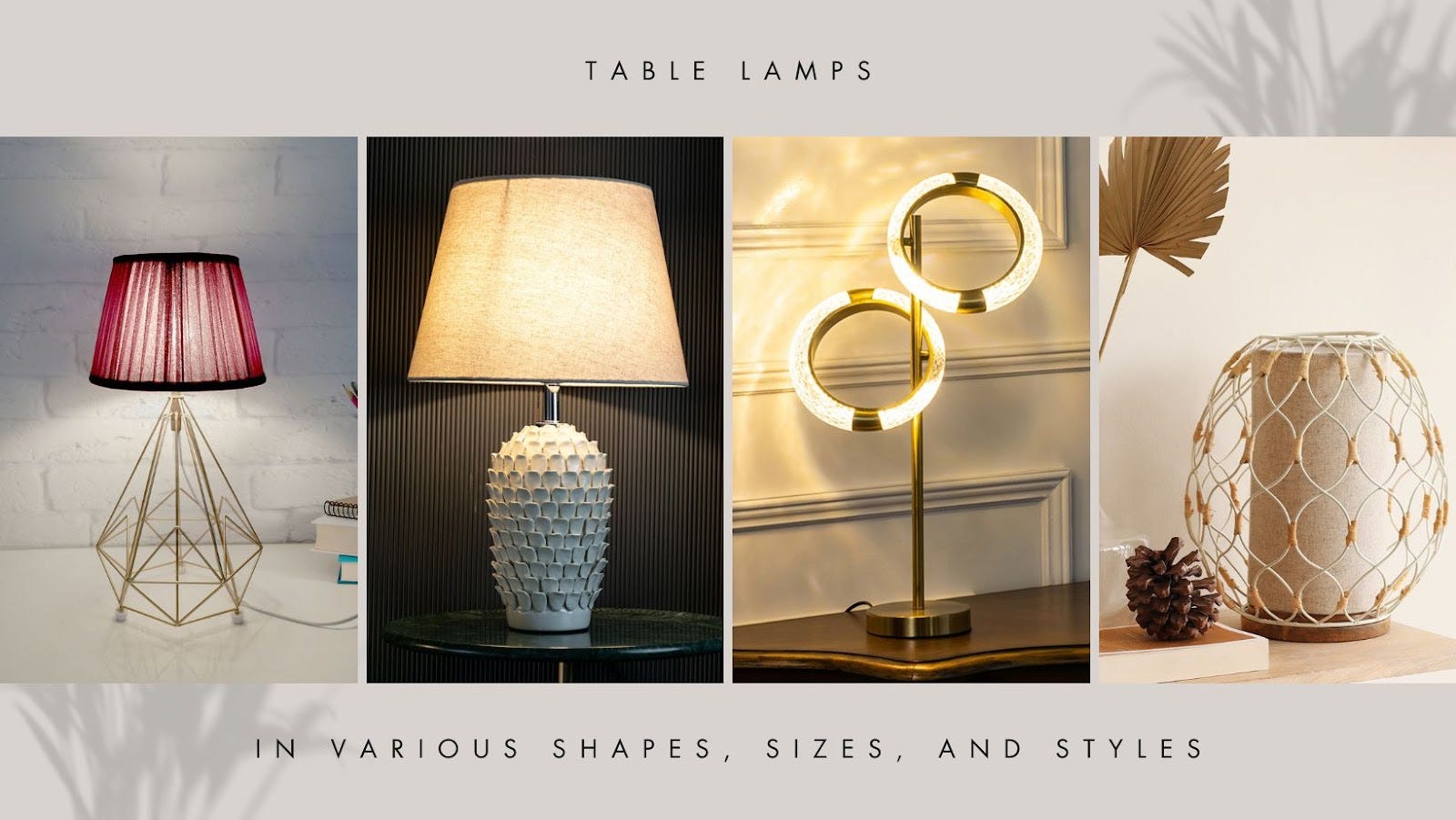
Table lamps are versatile and come in various shapes, sizes, and styles. They are perfect for adding localized light and can be placed on side tables, nightstands, desks, or console tables. When choosing a table lamp, consider the design, color, and shade material to ensure it complements your overall decor. Whispering Homes offers a wide selection of table lamps to complement your decor.

Floor Lamps


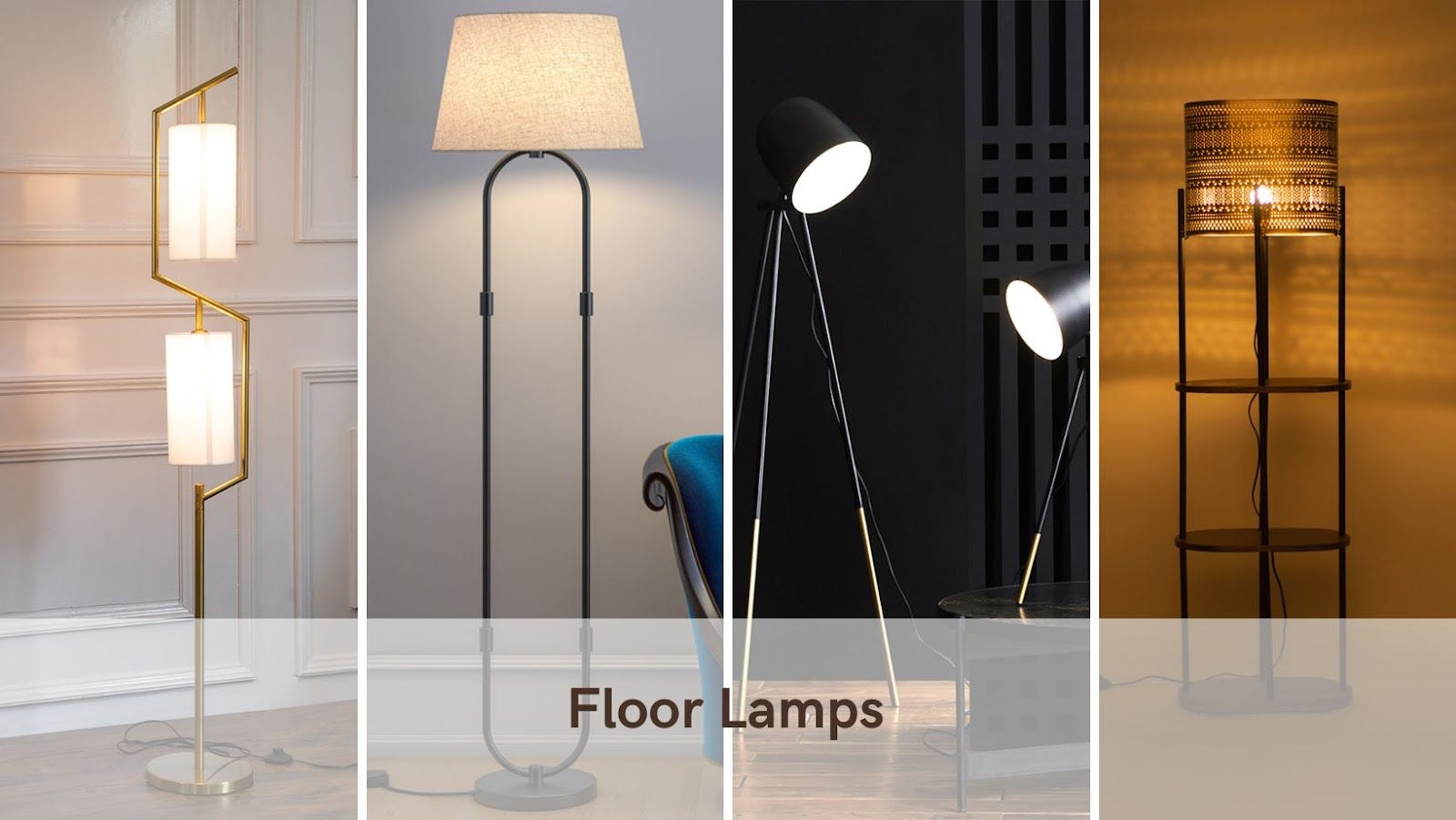
Floor lamps are excellent for providing ambient lighting in a room. They can stand alone as decorative pieces or blend seamlessly with your furniture. Arc floor lamps, metal floor lamps, wooden floor lamps and tripod lamps, are popular choices, each with its own unique style and function.

Chandeliers


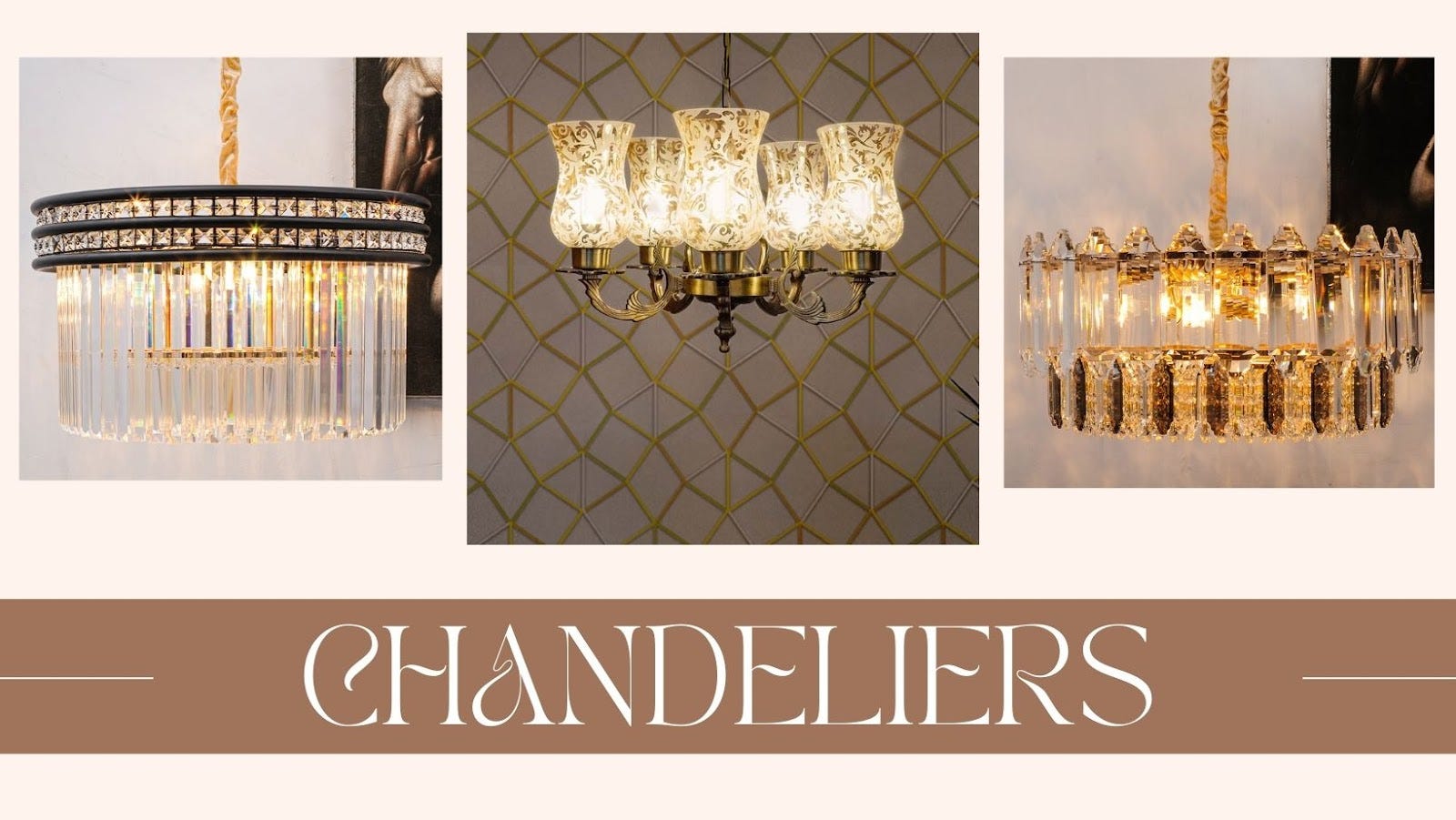
Chandeliers are elegant and often serve as statement pieces in dining rooms, entryways, or living rooms. They come in a wide range of designs, from classic crystal chandeliers to modern and industrial styles. The choice of chandelier should align with the room’s aesthetic and purpose. Find the ideal chandelier at Whispering Homes.

Pendant Lights


Pendant lights hang from the ceiling and can be used to illuminate kitchen islands, dining tables, or as decorative elements in hallways. They offer a great opportunity to play with different shapes, sizes, and materials to complement your interior design.

Wall Sconces


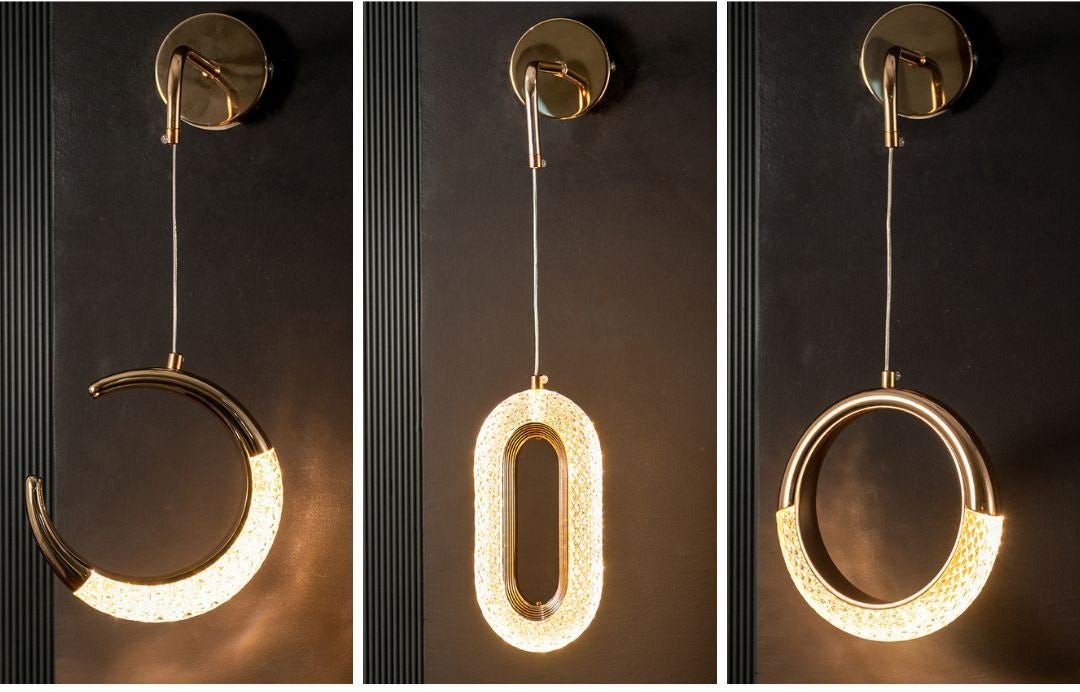
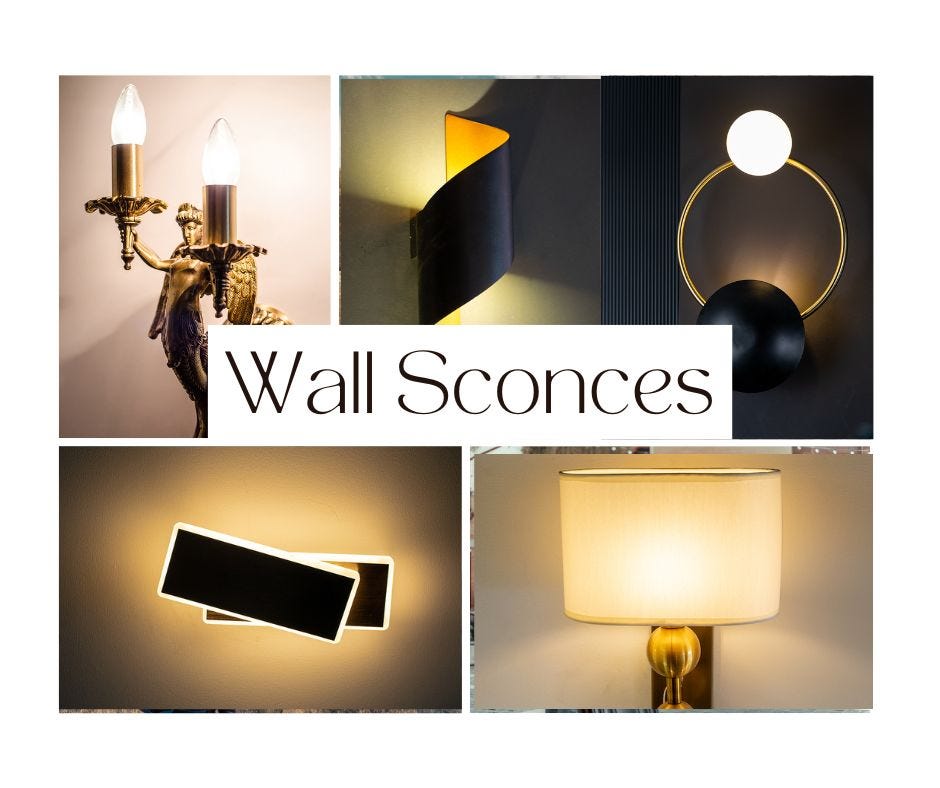
Wall sconces are not only functional but also decorative. They can be used for accent lighting, highlighting artwork, or as bedside reading lights. Their design can range from traditional to contemporary, allowing you to find the perfect fit for your style.

Track and Recessed Lighting

Track and recessed lighting provide a clean and minimalist look. They are ideal for highlighting specific areas or objects in a room, such as metal wall art collections, shelves, or architectural details. These types of lighting fixtures blend seamlessly with the ceiling and walls.

Candles and Candle Holders


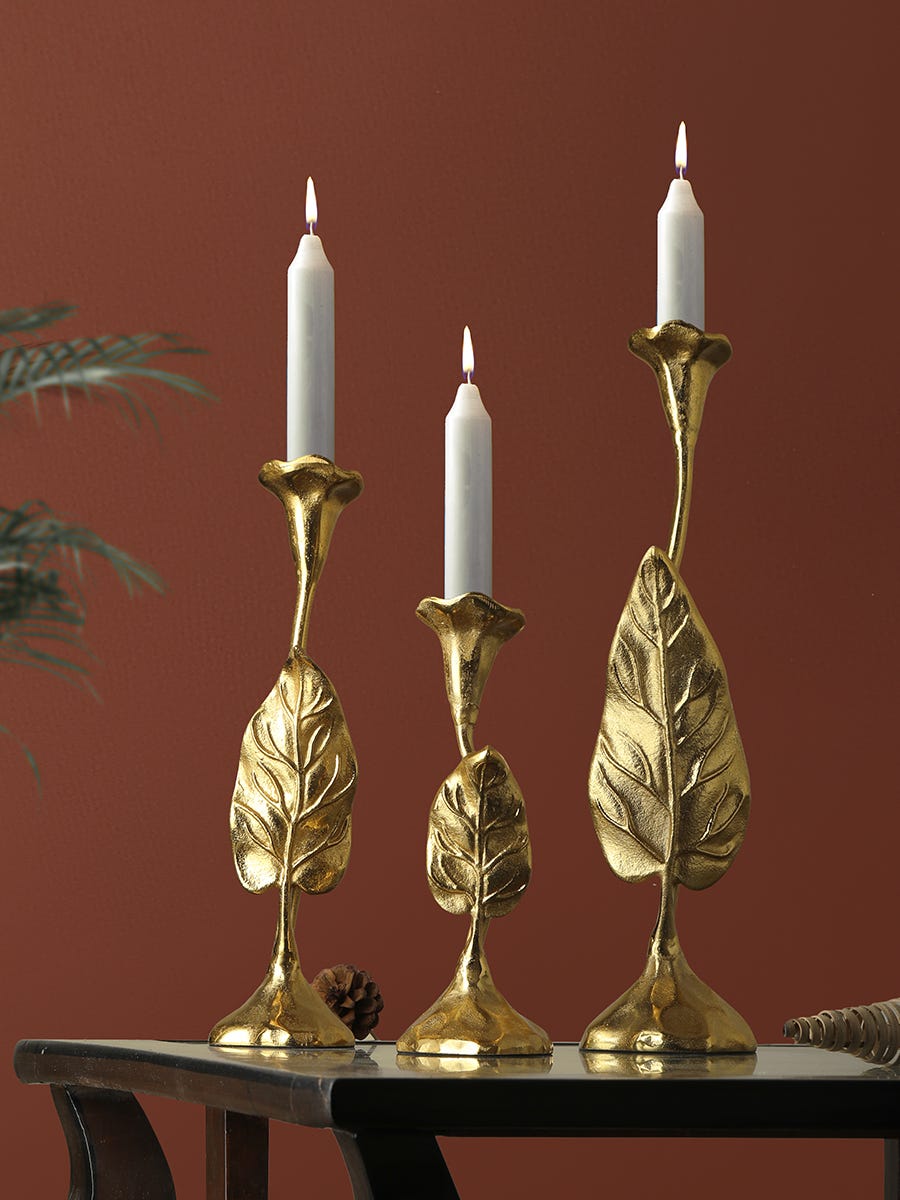
Candles and candle holders are a more traditional and intimate way to add soft, warm lighting to a room. They come in various sizes and designs, allowing you to create a cozy and romantic ambiance. Flameless LED candles are also a safe and practical option. Explore Whispering Homes collection of candles and candle holders.

Tips for Using Lamps and Lights as Decorative Elements

Now that you’re familiar with different types of lamps and lights, here are some tips for effectively incorporating them into your interior design:

Layer Your Lighting

A well-lit room often features a combination of ambient, task, and wall lighting. Ambient lighting provides overall illumination, while task lighting serves specific purposes, such as reading or cooking. Accent lighting highlights particular features or objects in the room. By layering these types of lighting, you can create a dynamic and inviting atmosphere.

Consider Bulb Types

The type of bulbs you use can greatly affect the ambiance. Incandescent bulbs cast a warm, inviting glow, while LED bulbs are energy-efficient and can be adjusted to different color temperatures. Experiment with various bulb types to achieve the desired mood.

Pay Attention to Scale

The size of your lighting fixtures should be in proportion to the room. Oversized fixtures can overwhelm a small space, while small fixtures may get lost in a large room. Ensure that the scale of the fixtures aligns with the room’s dimensions.

Mix and Match Styles

Don’t be afraid to mix and match different styles of lamps and lights. Eclectic design often incorporates a variety of lighting fixtures, creating a unique and visually stimulating atmosphere. Just ensure there’s a cohesive element that ties them together, such as a shared color scheme or material.

Highlight Focal Points

Use lighting to draw attention to focal points in your room, such as artwork, architectural details, or a beautiful piece of furniture. Well-placed lighting can make these elements stand out and become conversation starters.

Create Zones with Lighting

In open-plan spaces, consider using lighting to define different zones. For example, pendant lights can mark the dining area, while floor lamps can delineate a reading nook. This helps in organizing the space and gives it a sense of purpose.

Utilize Dimmers

Dimmer switches are a valuable addition to your lighting design. They allow you to control the intensity of the light, providing flexibility for different occasions. Lowering the lights can create a cozy atmosphere, while full brightness is ideal for tasks and entertaining.

Embrace Natural Light

While artificial lighting is essential, natural light should not be overlooked. Make the most of natural light by using curtains or blinds that can be adjusted to control the amount of daylight entering the room. Combine natural and artificial lighting for a balanced effect.

Conclusion

Lamps and lights are not just sources of illumination; they are key decorative elements that can transform your living spaces. By understanding the various types of lighting fixtures and how to use them effectively, you can create a harmonious and visually appealing atmosphere that reflects your personal style and enhances the functionality of your home. So, the next time you embark on an interior design project, remember to light up your style with thoughtfully chosen and strategically placed lamps and lights. Your home will thank you with a warm, inviting glow. And for all your lamp and lighting needs, Whispering Homes offers a wide range of options to elevate your interior design.

Top 10 Ceiling Light Ideas to Brighten Every Room: A Complete Guide

  Walk into any beautifully lit home and the first thing you notice isn't the sofa or the wall art — it's how the light falls across...